Table of Contents
What is Bitcoin?
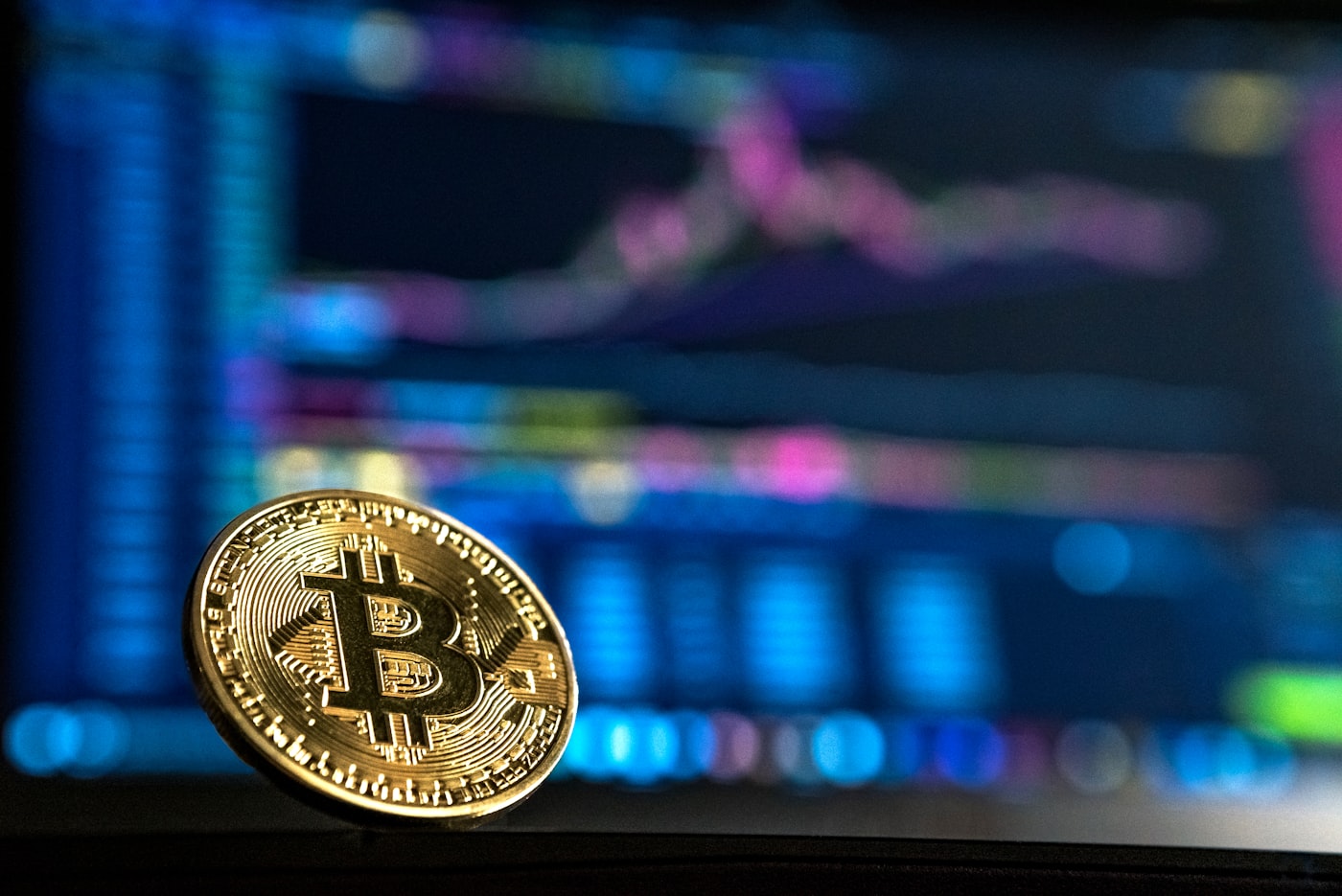
Bitcoin is a decentralized digital currency that allows people to send and receive money over the internet without needing a bank or other intermediary. Created in 2009, Bitcoin was the world's first cryptocurrency and remains the most valuable and widely recognized.
Unlike traditional currencies (like dollars or euros), Bitcoin is:
- Decentralized: No single entity controls it
- Digital: Exists only in electronic form
- Limited Supply: Only 21 million Bitcoin will ever exist
- Transparent: All transactions are publicly recorded
- Borderless: Works the same everywhere in the world
Think of Bitcoin as "digital gold" - it's scarce, valuable, and can be used as a store of value or medium of exchange.
The History of Bitcoin
The Creation (2008-2009)
Bitcoin was created by an anonymous person or group using the pseudonym Satoshi Nakamoto. In October 2008, Nakamoto published a whitepaper titled "Bitcoin: A Peer-to-Peer Electronic Cash System" describing a new form of digital money.
On January 3, 2009, Nakamoto mined the first Bitcoin block (called the "Genesis Block"), officially launching the Bitcoin network. The first transaction occurred on January 12, 2009, when Nakamoto sent 10 BTC to computer programmer Hal Finney.
Key Milestones
- 2010: First real-world Bitcoin transaction - 10,000 BTC for two pizzas (now worth hundreds of millions)
- 2011: Bitcoin reaches $1 for the first time
- 2013: Bitcoin surpasses $1,000
- 2017: Bitcoin reaches nearly $20,000, mainstream attention explodes
- 2021: Bitcoin hits all-time high of $69,000
- 2024: Bitcoin ETFs approved, institutional adoption grows
Who is Satoshi Nakamoto?
The identity of Bitcoin's creator remains one of technology's greatest mysteries. Satoshi Nakamoto disappeared from public view in 2011 and has never been definitively identified. Nakamoto is estimated to own around 1 million Bitcoin, worth billions of dollars, but has never moved them.
How Bitcoin Works
Bitcoin operates on a technology called blockchain, which is essentially a digital ledger that records all Bitcoin transactions. Here's how it works in simple terms:
You Initiate a Transaction
When you send Bitcoin to someone, you create a transaction using your Bitcoin wallet. This transaction includes the recipient's address and the amount you're sending.
Transaction is Broadcast
Your transaction is broadcast to the entire Bitcoin network - thousands of computers (called nodes) around the world.
Miners Verify the Transaction
Special nodes called "miners" collect pending transactions and verify them. They check that you actually own the Bitcoin you're trying to send and that you haven't already spent it.
Transaction is Added to a Block
Verified transactions are grouped together into a "block" - think of it as a page in a ledger book.
Block is Added to the Blockchain
The new block is added to the blockchain (the complete history of all Bitcoin transactions). This happens approximately every 10 minutes.
Transaction is Complete
Once your transaction is in a block on the blockchain, it's confirmed. The recipient can now see and use their Bitcoin. The transaction is permanent and cannot be reversed.
Understanding Blockchain Technology
The blockchain is the revolutionary technology that makes Bitcoin possible. Here's what makes it special:
What is a Blockchain?
A blockchain is a distributed digital ledger - a record of transactions that is:
- Distributed: Copied across thousands of computers worldwide
- Immutable: Once recorded, transactions cannot be altered
- Transparent: Anyone can view all transactions
- Secure: Protected by advanced cryptography
How Blockchain Ensures Security
Each block in the blockchain contains:
- A list of transactions
- A timestamp
- A unique code called a "hash"
- The hash of the previous block
This creates a chain where each block is linked to the one before it. If someone tries to change a past transaction, it would change that block's hash, breaking the chain and alerting the entire network to the tampering attempt.
What is Bitcoin Mining?
Bitcoin mining is the process by which new Bitcoin are created and transactions are verified. It's called "mining" because it's similar to mining for gold - it requires work and resources, and the reward is new Bitcoin.
How Mining Works
Miners use powerful computers to solve complex mathematical puzzles. The first miner to solve the puzzle gets to add the next block to the blockchain and receives a reward:
- Block Reward: Currently 6.25 BTC per block (halves every 4 years)
- Transaction Fees: Fees paid by users for their transactions
Why Mining is Important
- Security: Mining makes the network extremely difficult to attack
- Decentralization: Anyone can become a miner, preventing centralization
- New Bitcoin Creation: Mining is the only way new Bitcoin enter circulation
- Transaction Processing: Miners validate and process all transactions
The Halving
Every 210,000 blocks (approximately every 4 years), the mining reward is cut in half. This is called "the halving." It ensures Bitcoin's scarcity:
- 2009-2012: 50 BTC per block
- 2012-2016: 25 BTC per block
- 2016-2020: 12.5 BTC per block
- 2020-2024: 6.25 BTC per block
- 2024-2028: 3.125 BTC per block
The last Bitcoin will be mined around the year 2140, when all 21 million Bitcoin will be in circulation.
Bitcoin vs Traditional Money
How does Bitcoin compare to traditional currencies like the dollar or euro?
Traditional Money (Fiat)
- Controlled by: Central banks and governments
- Supply: Unlimited - can print more
- Transactions: Require banks/intermediaries
- Speed: Can take days for international transfers
- Fees: Bank fees, currency exchange fees
- Privacy: Banks know all your transactions
- Accessibility: Requires bank account
- Inflation: Value decreases over time
Bitcoin
- Controlled by: No one - decentralized network
- Supply: Fixed at 21 million - cannot create more
- Transactions: Direct peer-to-peer
- Speed: 10-60 minutes regardless of location
- Fees: Network fees (usually lower)
- Privacy: Pseudonymous - addresses not linked to identity
- Accessibility: Anyone with internet can use
- Inflation: Deflationary - becomes scarcer over time
Key Advantages of Bitcoin
Financial Sovereignty
You control your money. No bank can freeze your account or deny you access to your funds.
Global Accessibility
Anyone with internet access can use Bitcoin, even without a bank account. This is crucial for the 1.7 billion unbanked people worldwide.
Protection Against Inflation
With a fixed supply of 21 million, Bitcoin cannot be devalued by printing more, unlike fiat currencies.
Censorship Resistance
No government or organization can stop Bitcoin transactions or seize your Bitcoin (if properly secured).
Real-World Use Cases
Bitcoin isn't just a speculative investment. It has real-world applications:
1. Store of Value ("Digital Gold")
Many people buy Bitcoin as a long-term investment, similar to gold. Its scarcity and decentralization make it attractive as a hedge against inflation and economic uncertainty.
2. International Remittances
Sending money across borders with traditional services (Western Union, banks) can cost 5-10% in fees and take days. Bitcoin enables faster, cheaper international transfers.
3. Protection in Unstable Economies
In countries with high inflation or unstable currencies (Venezuela, Argentina, Lebanon), Bitcoin provides an alternative to preserve wealth.
4. Financial Inclusion
Bitcoin gives unbanked populations access to financial services. All you need is a smartphone and internet connection.
5. Business Payments
Companies like Microsoft, AT&T, and Overstock accept Bitcoin. It's especially useful for international business transactions.
6. Charitable Donations
Bitcoin enables transparent, low-fee donations to charities worldwide. Organizations can receive funds without expensive intermediaries.
7. Micropayments
Bitcoin's Lightning Network enables tiny payments (fractions of a cent) that aren't economical with traditional payment systems.
Advantages and Disadvantages
Like any technology, Bitcoin has both benefits and drawbacks:
Advantages
- Decentralization: No single point of control or failure
- Limited Supply: Only 21 million will ever exist
- Transparency: All transactions are publicly verifiable
- Security: Cryptographically secured and nearly impossible to hack
- Accessibility: Available to anyone with internet
- Fast International Transfers: Faster than traditional banking
- Lower Fees: Especially for large or international transactions
- Programmable: Can be used in smart contracts and applications
Disadvantages
- Volatility: Price can fluctuate dramatically
- Irreversible Transactions: Mistakes cannot be undone
- Learning Curve: Can be complex for beginners
- Regulatory Uncertainty: Laws vary by country and are evolving
- Energy Consumption: Mining requires significant electricity
- Scalability: Network can only process ~7 transactions per second
- Lost Keys = Lost Bitcoin: If you lose your private keys, your Bitcoin is gone forever
- Limited Merchant Acceptance: Not yet widely accepted for everyday purchases
The Future of Bitcoin
Bitcoin continues to evolve and gain adoption. Here's what the future might hold:
Institutional Adoption
Major companies and institutions are increasingly adopting Bitcoin:
- Companies like Tesla, MicroStrategy, and Square hold Bitcoin on their balance sheets
- Bitcoin ETFs allow traditional investors to gain exposure
- Payment processors like PayPal and Square enable Bitcoin transactions
- Countries like El Salvador have adopted Bitcoin as legal tender
Technological Improvements
The Bitcoin network is constantly improving:
- Lightning Network: Enables instant, low-fee transactions
- Taproot Upgrade: Improves privacy and smart contract capabilities
- Better Wallets: More user-friendly interfaces and security features
Potential Challenges
- Regulatory scrutiny and potential restrictions
- Competition from other cryptocurrencies
- Environmental concerns about energy use
- Scalability limitations
Conclusion
Bitcoin represents a fundamental shift in how we think about money. As the world's first decentralized digital currency, it offers:
- Financial sovereignty and control over your own money
- A hedge against inflation with its fixed supply of 21 million
- Borderless, fast, and relatively low-cost transactions
- Financial inclusion for the unbanked
- Transparency and security through blockchain technology
While Bitcoin has challenges - including volatility, regulatory uncertainty, and a learning curve - it has proven resilient over 15 years and continues to gain mainstream adoption.
Whether Bitcoin becomes the future of money or remains primarily a store of value like digital gold, it has already changed the financial landscape forever and inspired thousands of other cryptocurrencies and blockchain applications.
Published: December 11, 2024
Disclaimer: This article was created to provide general information only. Please verify that the information is accurate and remember that technology changes very quickly - what is good today may not be valid tomorrow.
Ready to Get Started with Bitcoin?
Koinonos makes it easy to buy Bitcoin with zero trading fees. Get started in minutes with credit card, bank transfer, or Apple Pay.
Buy Bitcoin on Koinonos